
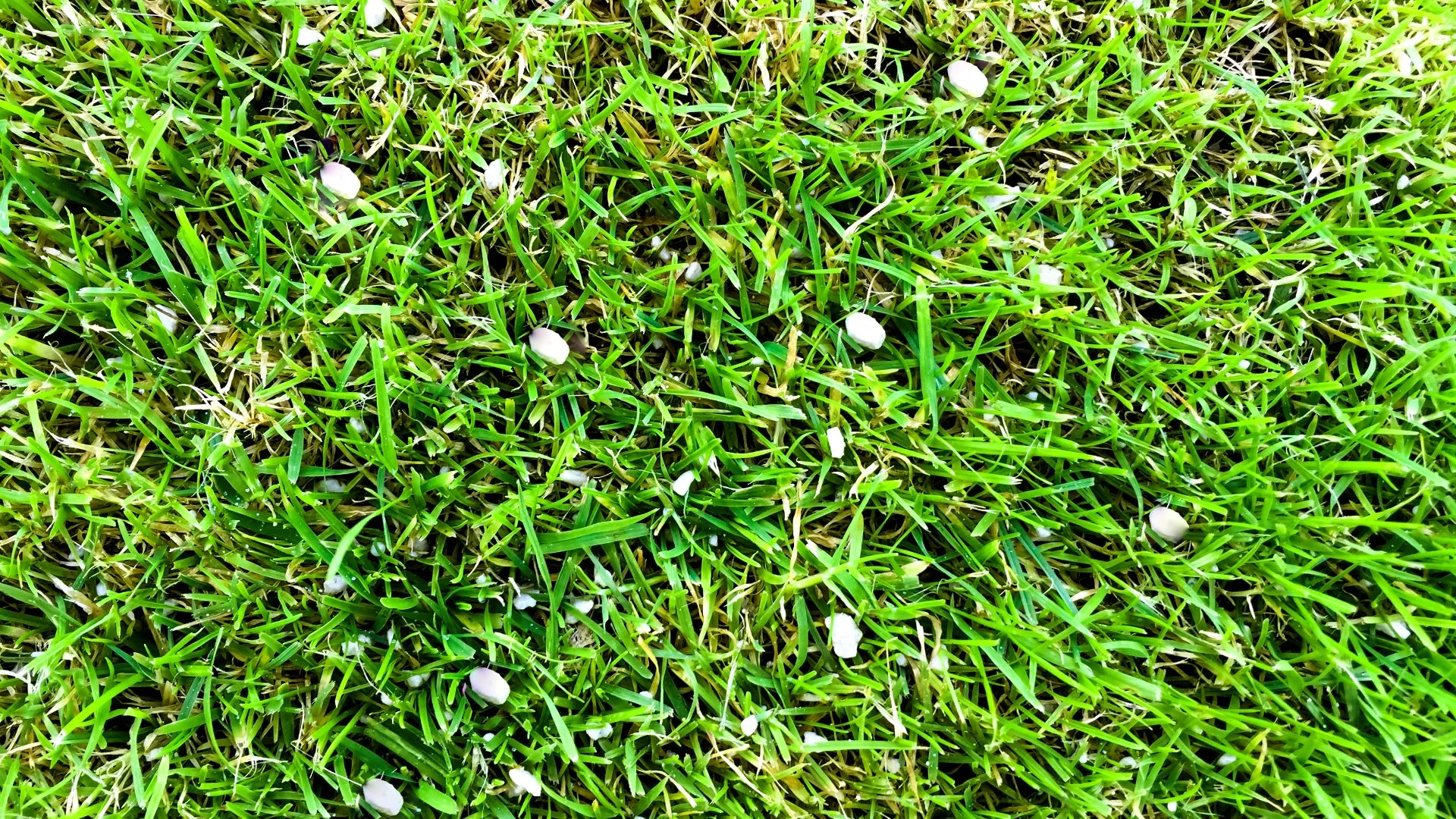
To maintain a healthy lawn in Ohio, it's vital to know when not to fertilize. Avoid fertilizing during dormancy, as the grass can't absorb nutrients, leading to runoff or wasted efforts. Similarly, you'll want to avoid fertilizing your lawn during heavy rain, as it can wash away the treatment, polluting waterways and causing uneven growth. During extremely dry conditions, fertilizer applications should also be avoided. That's because the treatment can scorch stressed grass due to a lack of moisture needed for nutrient absorption.
Don't Fertilize Your Lawn When It's Dormant
Fertilizing during dormancy is counterproductive because the grass is not in a growth phase. Dormant grass often occurs during extreme temperatures, either too cold or too hot. During these periods, grass enters a survival mode, conserving energy and slowing down its growth processes, including nutrient uptake. Fertilizing during this time is ineffective because the roots aren't actively absorbing nutrients. Instead, the fertilizer may remain on the soil surface, where it can cause chemical burns or be washed away when conditions change.
Furthermore, applying fertilizer during dormancy can force the grass to break its natural rest cycle. This premature stimulation can stress the grass, making it more susceptible to diseases and pests. It’s best to wait until you notice active growth, which indicates that your grass is ready to absorb nutrients, ensuring your efforts are not wasted.
Don't Fertilize Your Lawn During Heavy Rain or Flooding
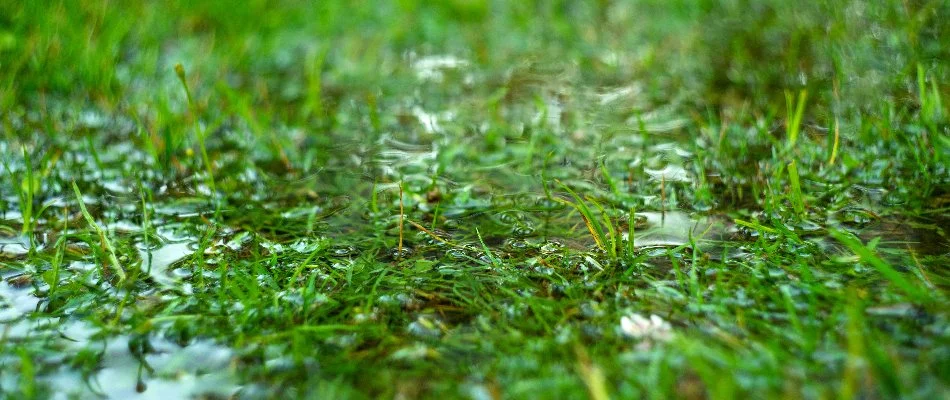
Fertilizing before or during heavy rain and flooding is detrimental both to your lawn and the environment. During a downpour, excessive water can cause fertilizer particles to wash away before they have a chance to be absorbed by the soil. This runoff doesn’t just waste money; it also contaminates local waterways. Fertilizer runoff increases nutrient levels in bodies of water, causing algae blooms that deplete oxygen levels, harm aquatic life, and disrupt ecosystems.
In addition, the nutrients reaching non-target areas can lead to uneven growth and a patchy lawn appearance. By avoiding fertilization during times of heavy rain and flooding, you ensure the fertilizer stays where it should, maximizing nutrient uptake by the grass and minimizing environmental harm.
Don't Fertilize Your Lawn During Extremely Dry Conditions
Fertilizing during extremely dry conditions or drought is risky because fertilizer needs moisture to be effective. Without adequate water, fertilizers don't dissolve and absorb properly, leading to an accumulation of nutrients on the grass surface. This can result in chemical burns on the blades, manifesting as unsightly yellow or brown patches on your lawn.
Moreover, in drought conditions, grass is already stressed, striving to survive with minimal water. Adding fertilizer to an already stressed lawn can exacerbate the condition, as the grass uses up precious resources to process the nutrients. This can lead to further decline rather than the intended boost in growth. Prioritize providing adequate moisture before introducing nutrients into the lawn system.
Call us today to schedule our lawn fertilization service!
Fertilization is key to helping your grass thrive, but it's also important to ensure that the treatments are administered during optimal times for effective absorption. At Hoffmans Lawn & Fertilization, we offer a lawn fertilization service that follows a strict treatment schedule to ensure your grass can absorb the nutrients and get the most out of the fertilizers. When you work with us, we will take the guesswork out of fertilizer application timing. We'll put your lawn on a schedule and handle everything!
Our team offers this service to residential and commercial property owners, as well as HOAs, in Delaware, Lewis Center, Powell, and other nearby areas in Ohio. Call us today at (740) 318-5296 to schedule our lawn fertilization service!



Comments (0)
Thanks for your comment!
Thanks for your feedback! Your comments have been successfully submitted! Please note, all comments require admin approval prior to display.
Error submitting comment!
There is a problem with your comment, please see below and try again.