
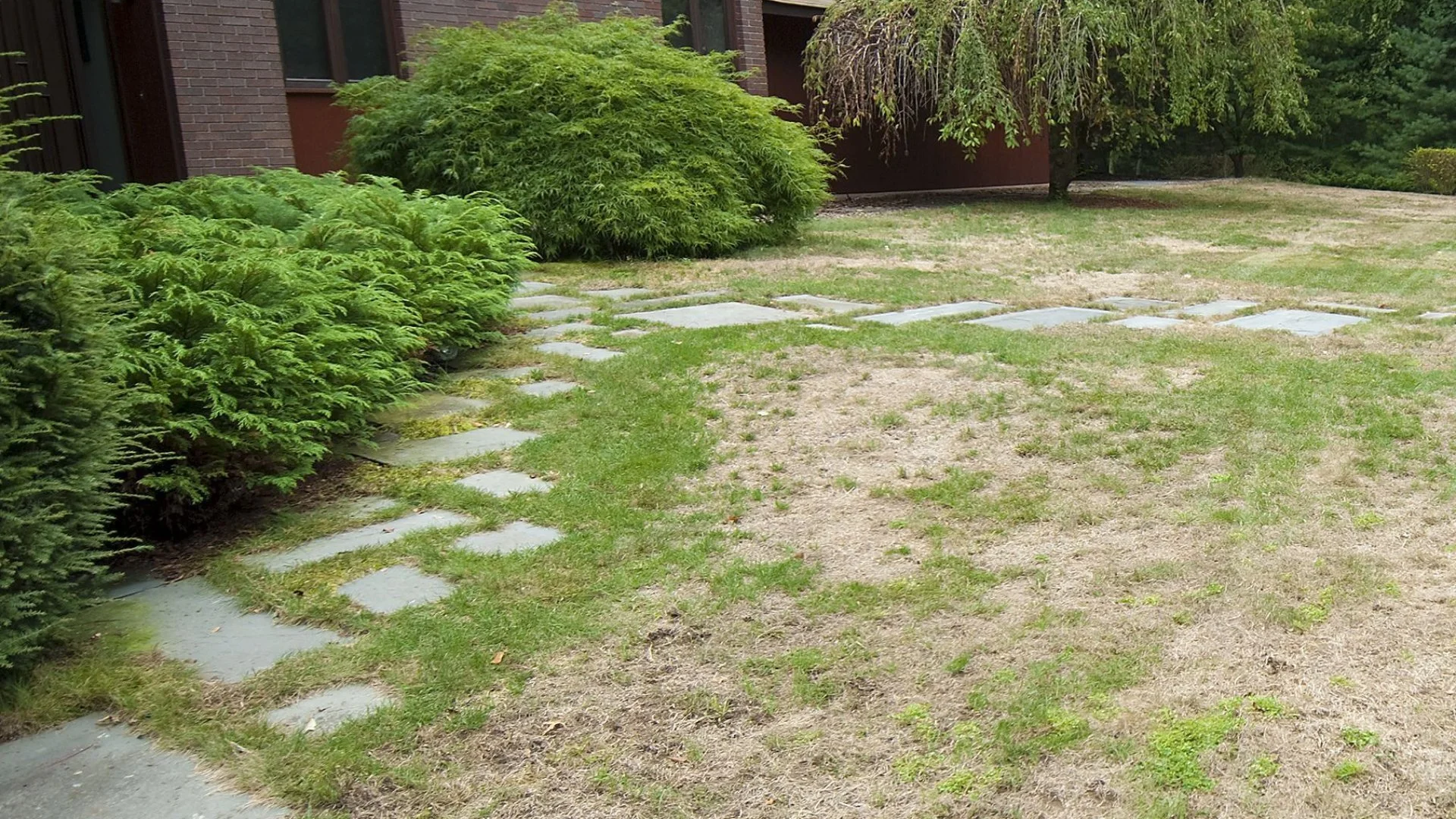
Most lawn diseases don't go away without intervention. While some may subside when conditions are no longer favorable for their development, taking a wait-and-see approach can be risky. If you suspect a lawn disease, it's essential to schedule a curative treatment as soon as possible to eliminate it. To prevent lawn diseases in the future, it's important to identify the factors that led to the infection in the first place. By addressing these issues and adjusting your lawn care practices, you can reduce the risk of future infections. Additionally, investing in preventative disease control treatments can provide an extra layer of protection for your lawn in Ohio.
Lawn diseases don't typically go away on their own.
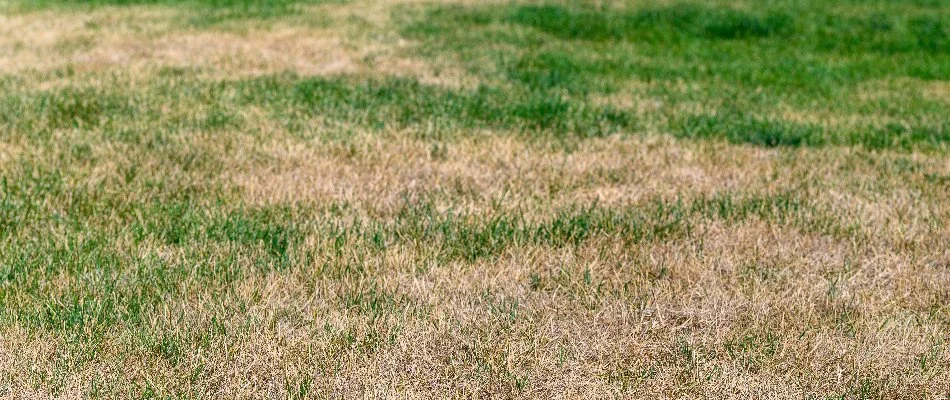
While it might be tempting to adopt a wait-and-see approach, hoping that a lawn disease will disappear on its own, this strategy is fraught with risks. Some lawn diseases might subside when conditions become unfavorable for their development, but this is not a guarantee. In many cases, diseases can spread rapidly if left untreated, causing extensive damage to your lawn.
Lawn diseases thrive under specific conditions, such as excessive moisture, poor air circulation, or nutrient deficiencies. If these conditions persist, the disease can continue to spread, affecting larger areas of your lawn. This can lead to more significant issues that require extensive and costly repairs. Therefore, the best course of action is to intervene promptly to stop further damage.
If you suspect a lawn disease, schedule a curative treatment ASAP to eliminate it.
If you suspect your lawn has a disease, schedule curative treatment as soon as possible. Early intervention is key to effectively managing and eliminating the disease. Curative treatments are designed to target and eradicate the specific pathogens causing the problem, preventing them from spreading further.
Consulting a lawn care professional can be beneficial, as they can accurately diagnose the disease and recommend the appropriate treatment. Professionals have access to specialized products and equipment that can effectively address the issue, ensuring your lawn recovers quickly. Acting swiftly not only saves your lawn but also minimizes the time and resources needed for recovery.
How to Prevent Lawn Diseases in The Future
Maintaining a healthy lawn is a rewarding endeavor, but it can be challenging when faced with lawn diseases. These issues often arise unexpectedly, leaving property owners wondering whether to act immediately or wait for the problem to resolve itself. Understanding the nature of lawn diseases and the importance of timely intervention can make all the difference.
- Determine What Led to the Infection: Identify factors such as poor drainage, improper watering, and inadequate fertilization that may have contributed to the disease. Address these issues by improving drainage, adjusting watering practices, and ensuring proper fertilization to create an environment less conducive to disease development.
- Invest in Preventative Disease Control Treatments: Use treatments that provide a protective barrier against common lawn diseases. Regular monitoring and maintenance can help detect early signs of trouble, allowing for timely intervention and ensuring your lawn remains healthy.
Call us today to schedule our lawn disease control service!
At Hoffmans Lawn & Fertilization, we offer a top-notch lawn disease control service to help keep your lawn in pristine condition. Curative treatments are available to eliminate active fungal issues on your lawn, and preventative treatments can be administered to keep disease from developing in the future. Some of the diseases that we typically deal with include red thread, dollar spot, and rust.
We offer these treatments to commercial and residential properties, as well as HOAs, in Delaware, Lewis Center, Powell, OH, and surrounding areas. With our comprehensive approach to lawn care, you can rest assured that your lawn will receive the highest level of care and attention. Call us today at (740) 318-5296 to schedule this service!



Comments (0)
Thanks for your comment!
Thanks for your feedback! Your comments have been successfully submitted! Please note, all comments require admin approval prior to display.
Error submitting comment!
There is a problem with your comment, please see below and try again.