

Using both mulch and rock in your landscape in Ohio can enhance its visual appeal by providing different textures and colors. Mulch is used to improve plant health by retaining moisture, suppressing weeds, and enriching soil with organic material. It's ideal for regulating soil temperature and adding nutrients as it breaks down. Rocks, however, provide excellent drainage and stability, preventing erosion and keeping soil in place. They are durable and require less maintenance, making them perfect for permanent ground cover. To maximize their effectiveness, keep mulch and rock separate using edging or borders. This approach maintains a tidy, organized appearance and simplifies maintenance, ensuring a beautiful and functional garden.
Use mulch in your landscape beds to improve plant health.
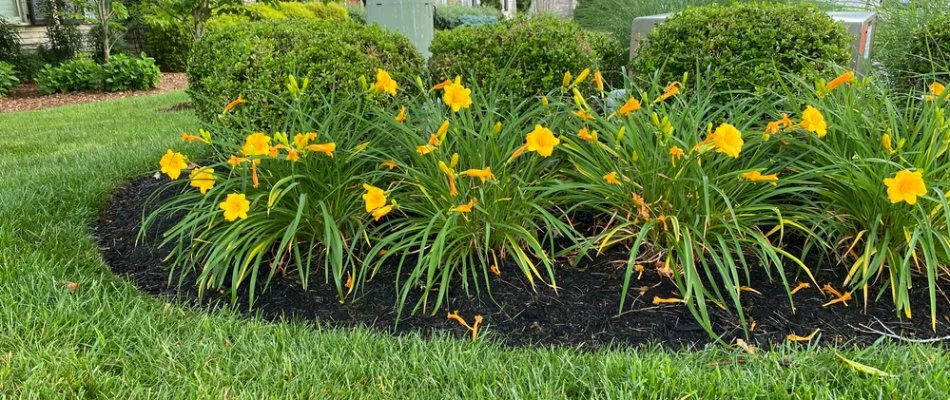
Mulch is a fantastic tool for promoting plant health. When installed around your plants, it plays a crucial role in retaining moisture, which is especially important during hot, dry spells. Mulch acts as a barrier, reducing the evaporation of water from the soil and ensuring your plants remain hydrated. In addition to moisture retention, mulch is excellent for suppressing weeds. By blocking sunlight, it prevents weed seeds from germinating, reducing the competition for nutrients. Mulch also helps regulate soil temperature by keeping roots cool in the summer and warm in the winter.
Moreover, as organic mulch breaks down over time, it adds valuable nutrients to the soil. This process enriches the soil with organic material, improving its structure and fertility. Whether you choose wood chips, bark, or straw, mulch is a versatile and beneficial addition to any garden.
Rocks provide good drainage and stability as landscape ground cover.
Rocks, on the other hand, offer unique benefits to your landscape. They are perfect for improving drainage and providing stability in your landscape. Placing rocks along landscape edges or around downspouts can help direct water flow, preventing erosion and waterlogging in certain areas.
Rocks are also effective at keeping soil and mulch in place. In areas prone to runoff, such as slopes or near driveways, rocks can act as a barrier, reducing the movement of mulch and soil. This stability ensures that your landscape remains tidy and your plants are not exposed due to displaced soil. The durability of rocks also means they require less frequent replacement compared to organic mulch. They offer a long-term solution for areas of your garden where you need a permanent, low-maintenance ground cover option.
You can mix mulch and rock, but make sure to keep them separate.
While both mulch and rock offer unique benefits, it’s important to keep them separate in your landscape. Mixing them can lead to increased maintenance and cleaning challenges. When mulch and rock are combined, it becomes difficult to rake or blow leaves and debris without disturbing the materials. To maintain a clean and organized appearance, use edging or intentional borders to separate mulch and rock. This can be achieved with metal, plastic, or natural stone borders. Not only does this keep materials in their designated areas, but it also adds a structured look to your landscape design.
Call Us Today to Sign Up for Our Mulch & Rock Installation Services
Adding ground covers to your landscape beds goes a long way in maintaining the health and appearance of your yard. At Hoffmans Lawn & Fertilization, we offer mulch installation and rock installation services to commercial and residential properties, as well as HOAs, in Delaware, Lewis Center, Powell, and other surrounding areas in Ohio. Our team will work with you to determine the best type of mulch and rock for your landscape, and we will install it with precision and care. Give us a call today at (740) 318-5296 to sign up for these services and enhance the beauty and health of your landscape!


Comments (0)
Thanks for your comment!
Thanks for your feedback! Your comments have been successfully submitted! Please note, all comments require admin approval prior to display.
Error submitting comment!
There is a problem with your comment, please see below and try again.