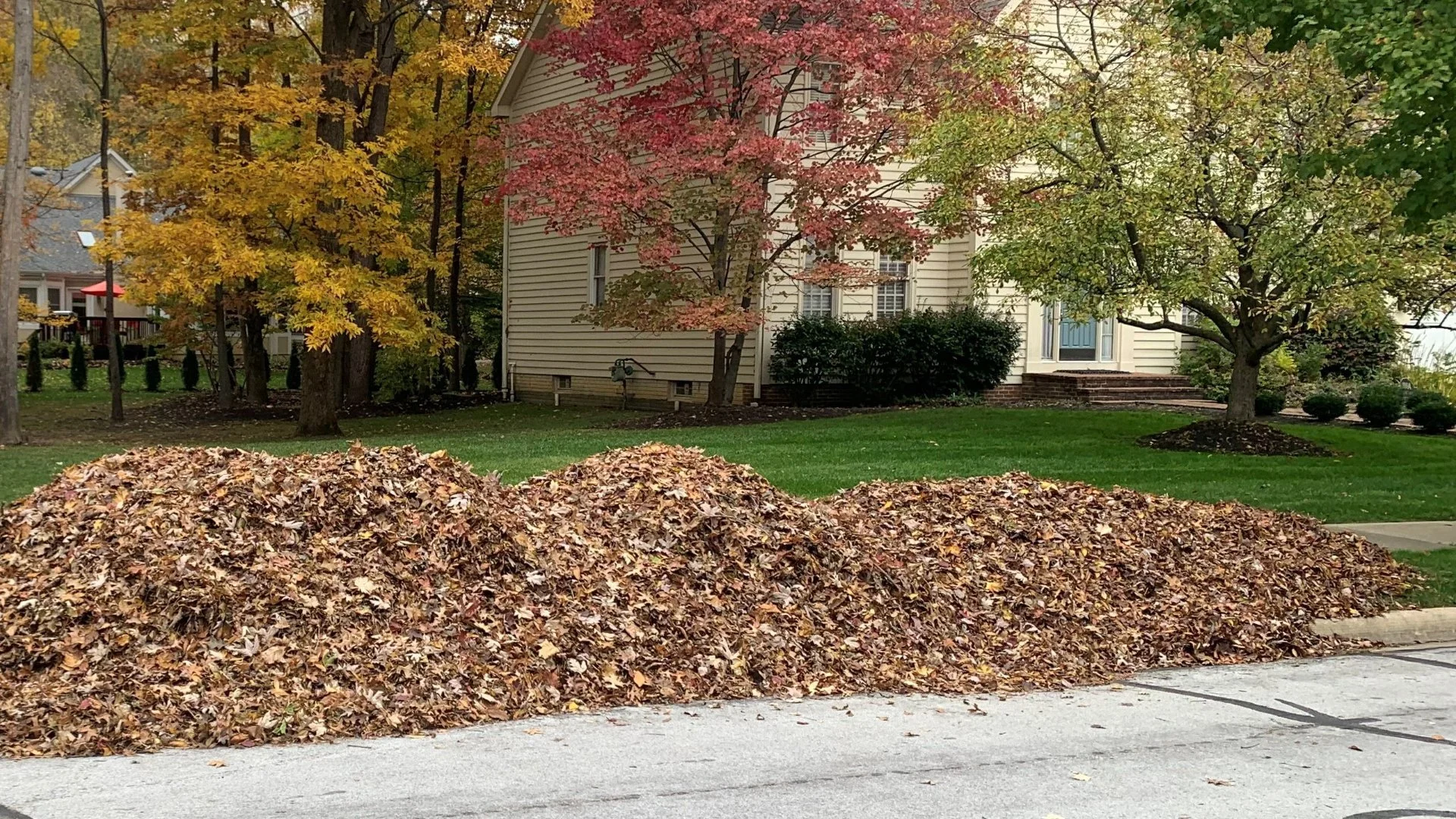
Leaf piles can lead to lawn diseases by trapping moisture, blocking sunlight, and inhibiting airflow, creating ideal conditions for fungi. If left over winter, they can result in issues like snow mold and dollar spot, which damage and weaken your lawn. Regularly removing leaves and addressing clumped piles can help prevent these diseases from forming. Hire professionals to remove the leaves from your lawn in Ohio to ensure they don't contribute to the development of any lawn diseases.
How Leaf Piles Can Cause Lawn Diseases
Leaf piles can create an environment conducive to lawn diseases due to their ability to trap moisture, block sunlight, and inhibit proper airflow. When leaves accumulate, they form a thick layer that prevents air and light from reaching the grass beneath. This trapped moisture and lack of airflow create ideal conditions for fungi and other pathogens to thrive.
The damp, dark environment under leaf piles can lead to the development of various lawn diseases. Fungal spores find the perfect breeding ground in these conditions, and if left unchecked, they can spread rapidly, causing significant damage to your lawn. Addressing leaf piles promptly is essential to prevent these diseases from taking hold.
If leaf piles sit on your lawn over the winter, you may have to deal with a lawn disease come spring.
If leaf piles sit on your lawn over the winter and become covered by snowfall, you may face lawn diseases come spring, such as snow mold and dollar spot. Snow mold is caused by fungi thriving under snow-covered leaves, leading to circular patches of dead grass as the snow melts, weakening your lawn and making it more susceptible to other issues. Similarly, dollar spot appears as small, straw-colored patches and thrives in moist conditions, spreading quickly if leaf piles are unchecked. Both diseases can cause unsightly damage and compromise your lawn's health, highlighting the importance of managing leaf piles before winter.
How to Prevent Lawn Diseases From Establishing
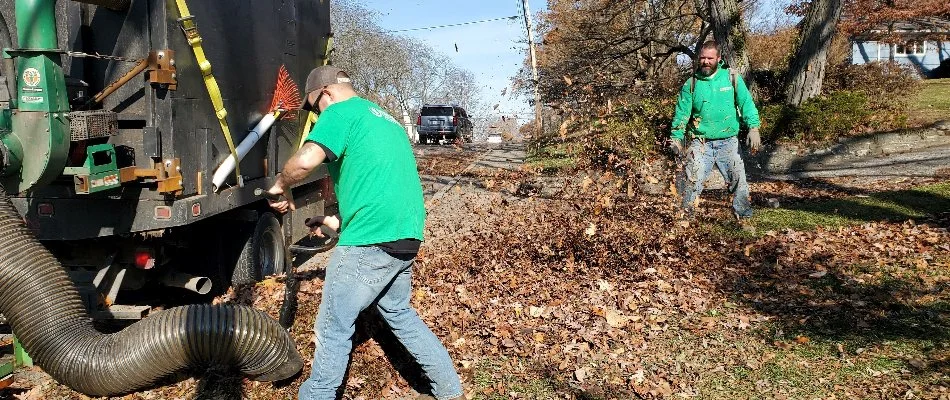
Preventing lawn diseases caused by leaf piles involves proactive yard maintenance. Regularly removing leaves from your yard during the fall is crucial. Here are some steps to help you keep your lawn healthy:
- Regular Leaf Removal: Make it a habit to rake or blow leaves off your lawn regularly. This prevents the accumulation of thick leaf layers that trap moisture and block sunlight, both of which create ideal conditions for fungal growth. Regular leaf removal ensures your grass gets the light and air it needs to stay healthy.
- Clear Wet, Clumped Leaves: Pay special attention to wet, clumped leaf piles, as they are particularly prone to fostering disease. When leaves get wet and stick together, they form a dense mat that further blocks airflow. Breaking up these clumps and removing them helps maintain proper air circulation and light penetration, reducing disease risk.
- Hire Professionals: If managing leaf piles seems overwhelming, consider hiring professionals. Lawn care experts have the tools and expertise to clear leaves efficiently and prevent diseases from developing. They can provide consistent maintenance, saving you time and effort while keeping your lawn in optimal condition year-round.
Call Us Today to Schedule Our Leaf Removal Service
Leaves left sitting on your lawn can cause issues not only with the curb appeal of your property but also with its health. At Hoffmans Lawn & Fertilization, we offer a leaf removal service to help keep your lawn free of debris and prevent the development of lawn diseases. Our process includes using a blower to blow the leaves from your yard to the curb and then sucking them all up using our vacuum truck. This service is available to homeowners and business owners, as well as HOAs, in Delaware, Lewis Center, Powell, and throughout the surrounding areas in Ohio. Give us a call at (740) 318-5296 to schedule this service and keep your lawn in tip-top shape.


Comments (0)
Thanks for your comment!
Thanks for your feedback! Your comments have been successfully submitted! Please note, all comments require admin approval prior to display.
Error submitting comment!
There is a problem with your comment, please see below and try again.